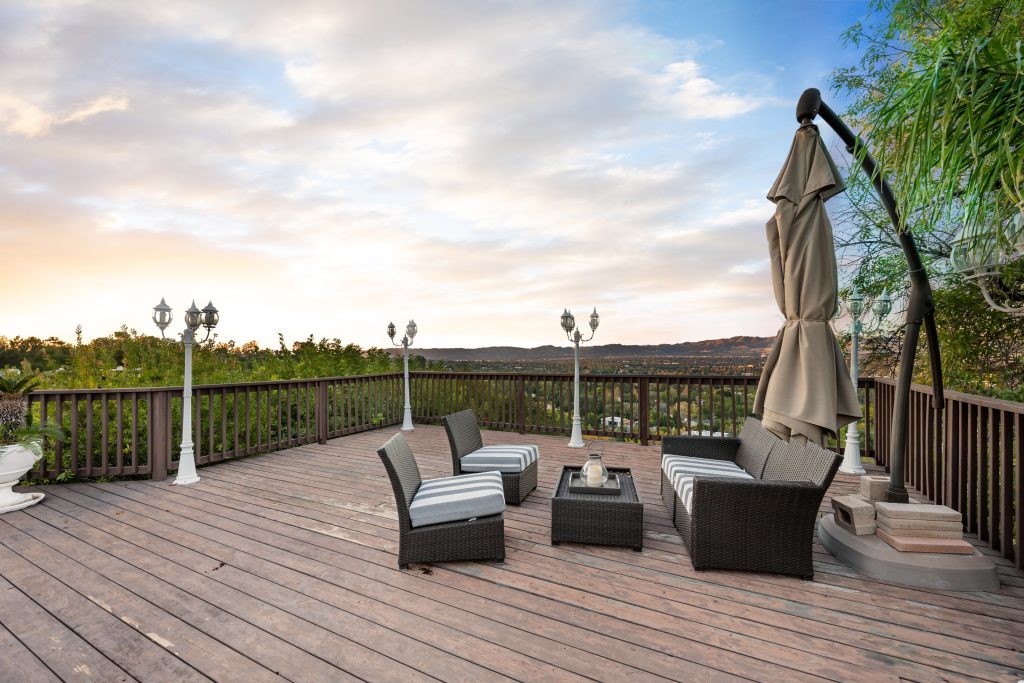
A well-designed deck can completely transform your outdoor living space, creating the perfect area for entertaining guests, hosting family gatherings, or simply relaxing after a long day. Whether you’re planning a small platform deck or a large custom outdoor retreat, understanding the costs involved is essential before starting your project.
According to the latest home improvement cost guide, homeowners are investing more in outdoor upgrades than ever before. A professionally built deck not only enhances your lifestyle but can also increase your home’s value and curb appeal. At Blue Line Roofing & Exteriors LLC, homeowners frequently ask one important question before beginning any project: How much does it cost to build a deck in 2026?
The answer depends on several factors, including deck size, materials, labor requirements, design complexity, and local permit fees. This guide provides a comprehensive breakdown of the cost to build a deck, helping you create a realistic budget and make informed decisions.
What Is the Average Cost of Building a Deck in 2026?
The national average deck building cost in 2026 ranges between $4,500 and $22,000, with most homeowners spending approximately $11,500 for a professionally installed deck.
The total deck installation cost varies significantly depending on the deck’s size, material selection, and custom features. Most contractors calculate pricing based on square footage, with the average deck cost per square foot ranging from $30 to $75, including materials and labor.
Deck Cost by Size
| Deck Size | Square Footage | Estimated Cost |
| Small Deck | 144 sq. ft. | $4,300 – $10,800 |
| Medium Deck | 320 sq. ft. | $9,600 – $24,000 |
| Large Deck | 500+ sq. ft. | $15,000 – $37,500+ |
These estimates represent standard residential projects and may increase when premium materials, multiple levels, or custom additions are included.
Key Factors That Affect Deck Building Costs
No two decks are exactly alike. Several variables influence your final deck project budget, making it important to evaluate every aspect of the project before construction begins.
Deck Size
The total square footage of your deck is one of the most important factors affecting the overall cost, as larger decks require more materials, labor, and structural support. Larger decks require more materials, labor, framing, and foundation work.
For example:
| Deck Type | Size | Estimated Cost |
|---|---|---|
| Small Deck | 10′ x 12′ (120 sq. ft.) | Under $10,000 |
| Medium Deck | 16′ x 20′ (320 sq. ft.) | $20,000+ |
| Multi-Level Custom Deck | Varies | $35,000+ |
Because pricing is often calculated by square footage, expanding the deck footprint directly increases expenses.
Deck Height
Ground-level decks are generally less expensive because they require simpler foundations and framing.
Elevated decks require:
- Additional support posts
- Larger footings
- Structural reinforcements
- Railings
- Stairs
These requirements can significantly increase the total deck installation cost.
Design Complexity
A basic rectangular deck is typically the most affordable option. Costs rise when homeowners request:
- Curved layouts
- Multi-level structures
- Built-in benches
- Pergolas
- Outdoor kitchens
- Decorative railings
- Integrated lighting systems
Custom designs often involve additional engineering and labor.
Local Building Requirements
Most municipalities require permits and inspections for outdoor deck construction.
Permit fees commonly range from:
- $150 to $1,000+
Permit costs depend on:
- Deck size
- Local regulations
- Structural complexity
- Engineering requirements
Always verify permit requirements before beginning construction.
Deck Materials Comparison
Material selection is one of the most important decisions you’ll make because it affects both upfront costs and long-term maintenance expenses.
Understanding the differences between materials helps homeowners choose the best option for their budget and lifestyle.
Pressure-Treated Wood Deck Cost
Pressure-treated lumber remains one of the most affordable decking materials available.
Material Cost
- $5 to $15 per square foot
Advantages
- Budget-friendly
- Widely available
- Easy to repair
- Natural appearance
Drawbacks
- Requires annual maintenance
- Susceptible to moisture damage
- Can warp or crack over time
- Needs periodic staining and sealing
For homeowners seeking the lowest upfront investment, pressure-treated wood remains a popular choice.
Cedar and Redwood Deck Cost
Natural wood products offer enhanced appearance and durability compared to pressure-treated lumber.
Material Cost
- $15 to $30 per square foot
Benefits
- Attractive natural grain
- Better resistance to insects
- Improved durability
- Higher-end appearance
Considerations
- Requires routine maintenance
- Higher upfront cost
- Weather exposure can affect appearance
These materials are ideal for homeowners who prioritize aesthetics.
Composite Deck Cost
Many homeowners prefer composite decking because it offers excellent durability with minimal upkeep.
Material Cost
- $15 to $35 per square foot
Benefits
- Low maintenance
- Fade resistant
- Moisture resistant
- Splinter free
- Long lifespan
Drawbacks
- Higher initial investment
- Limited ability to refinish
- Can become warm in direct sunlight
Although the initial composite deck cost is higher, many homeowners save money over time because maintenance expenses are significantly reduced.
Deck Framing Cost Breakdown
The visible decking boards often receive the most attention, but the structural framework is equally important.
The average deck framing cost typically represents 20% to 30% of the total material budget.
Framing components include:
- Joists
- Beams
- Ledger boards
- Support posts
- Concrete footings
- Hardware and fasteners
Quality framing is critical for long-term safety and performance.
Cutting corners during framing can lead to costly repairs and structural issues later.
Labor Cost to Build a Deck
Labor is often one of the largest expenses associated with deck construction. The average labor cost to build a deck ranges from $15 to $40 per square foot.
Several factors influence labor expenses:
Site Conditions
Difficult terrain can increase installation time and labor costs.
Examples include:
- Sloped yards
- Rocky soil
- Limited accessibility
- Existing landscaping
Deck Height
Raised decks require more extensive structural work than ground-level installations.
Design Features
Additional labor may be required for:
- Stair construction
- Railing installation
- Lighting systems
- Built-in seating
- Decorative trim
Permit and Inspection Requirements
Projects requiring multiple inspections often increase labor hours.
Because labor commonly represents approximately 50% of total project costs, obtaining multiple estimates is recommended.
Understanding Deck Contractor Pricing
Professional deck contractor pricing varies by region and contractor experience. When comparing quotes, homeowners should evaluate more than just the final price.
A quality estimate should include:
- Material specifications
- Labor costs
- Permit fees
- Cleanup services
- Warranty information
- Construction timeline
The lowest-priced quote isn’t always the best long-term investment.
Experienced contractors often provide:
- Better craftsmanship
- Code-compliant construction
- Manufacturer-backed warranties
- Reduced risk of future repairs
Choosing a reputable contractor can save money in the long run.
DIY vs Professional Residential Deck Building
Many homeowners consider building their own deck to save money. While DIY projects can reduce labor expenses, they also introduce risks.
DIY Advantages
- Lower upfront cost
- Flexible schedule
- Personal satisfaction
DIY Challenges
- Permit requirements
- Structural calculations
- Specialized tools
- Building code compliance
- Increased project duration
Even small framing mistakes can compromise deck safety.
Professional Construction Advantages
Professional residential deck building offers:
- Faster completion
- Structural expertise
- Permit management
- Warranty protection
- High-quality workmanship
For most homeowners, hiring professionals provides greater peace of mind and long-term value.
Additional Costs to Consider
| Additional Feature | Average Cost | Factors Affecting Cost |
| Railings | $20 – $120 per linear foot | Material type, design style, deck size, installation complexity |
| Stairs | $300 – $2,500+ | Number of steps, stair width, materials used, design complexity |
| Outdoor Lighting | $500 – $5,000+ | Number of fixtures, wiring requirements, lighting type, installation difficulty |
| Built-In Benches | $500 – $3,000+ | Size, materials, custom design features |
| Storage Compartments | $500 – $4,000+ | Storage capacity, deck layout, construction complexity |
| Fire Pits | $1,000 – $8,000+ | Fuel type, materials, size, custom installation |
| Pergolas | $2,000 – $10,000+ | Material selection, size, design customization |
| Outdoor Kitchens | $5,000 – $30,000+ | Appliances, plumbing, electrical work, materials, overall design |
Backyard Deck Cost by Material Type
The overall backyard deck cost varies considerably based on material selection.
| Material | Average Installed Cost Per Sq. Ft. |
| Pressure-Treated Wood | $30 – $50 |
| Cedar | $40 – $65 |
| Redwood | $45 – $70 |
| Composite | $50 – $75 |
| Premium Composite | $65 – $100+ |
These figures include typical materials and labor expenses.
Long-Term Deck Renovation Cost Considerations
When evaluating decking materials, homeowners should consider lifetime ownership costs rather than focusing solely on upfront expenses.
Wood Deck Maintenance Costs
Wood decks typically require:
- Annual sealing
- Staining
- Pressure washing
- Board replacement
Maintenance expenses can add thousands of dollars over the deck’s lifespan.
Composite Deck Maintenance Costs
Composite decks generally require:
- Occasional cleaning
- Minimal repairs
- No staining
- No sealing
This makes composite materials attractive despite their higher upfront price.
When calculating overall deck renovation cost, long-term maintenance should always be considered.
Does Building a Deck Increase Home Value?
Many homeowners wonder whether a deck is worth the investment.
The answer is generally yes.
A professionally built deck can:
- Improve curb appeal
- Increase outdoor living space
- Enhance property desirability
- Deliver strong return on investment
Industry estimates suggest homeowners often recover 60% to 70% of their deck construction costs when selling their homes.
In competitive housing markets, attractive outdoor living areas can become a major selling point.
How to Create a Realistic Deck Project Budget
Creating a realistic budget helps avoid unexpected expenses.
Step 1: Define Your Goals
Determine:
- Deck size
- Material preference
- Desired features
- Long-term maintenance expectations
Step 2: Research Material Costs
Compare:
- Wood deck cost
- Composite deck cost
- Framing expenses
- Railing options
Step 3: Obtain Multiple Estimates
Search for a reputable deck builder near you and request detailed written proposals. Comparing estimates helps identify fair market pricing.
Step 4: Include Contingency Funds
Reserve an additional 10% to 15% for unexpected expenses. This protects your budget from unforeseen challenges.
Choosing the Right Deck for Your Home
The ideal deck balances functionality, appearance, durability, and affordability. Homeowners who prioritize affordability often choose pressure-treated wood. Those seeking minimal maintenance typically prefer composite materials.
The best choice depends on:
- Budget
- Climate
- Maintenance preferences
- Design goals
- Long-term plans
Taking time to evaluate options carefully can maximize your investment.
Conclusion
A new deck can dramatically improve your outdoor living experience while adding value to your home. In 2026, the typical cost to build a deck ranges from approximately $4,500 to $22,000, with an average project cost around $11,500.
Factors such as deck size, materials, framing requirements, labor rates, permits, and custom features all contribute to the final price. Understanding the differences between wood deck cost and composite deck cost, evaluating deck contractor pricing, and planning a realistic deck project budget will help ensure a successful project.
Before beginning construction, obtain detailed estimates, compare material options, and work with experienced professionals who understand local building codes and best construction practices. With proper planning, your new deck can provide years of enjoyment and long-term value.
Frequently Asked Questions
Which is more affordable: a wood deck or a composite deck?
A wood deck typically costs less upfront. However, composite decking often becomes more economical over time because it requires significantly less maintenance and fewer repairs.
What is the average labor cost to build a deck?
The average labor cost to build a deck ranges from $15 to $40 per square foot, depending on project complexity, deck height, and local labor rates.
Do I need a permit to build a deck?
Most municipalities require permits for deck construction. Permit requirements vary by location, so always check local regulations before beginning work.
How long does it take to build a deck?
A professional crew can usually complete a standard 300-square-foot deck in approximately 3 to 6 days. Larger or more complex projects may require additional time.
What is the average deck cost per square foot?
Most homeowners can expect to pay between $30 and $75 per square foot for a professionally installed deck, including materials and labor.
Does a deck increase property value?
Yes. A well-built deck can improve curb appeal, increase usable living space, and provide a return on investment of approximately 60% to 70%.
How long does a composite deck last?
High-quality composite decking can last 25 years or longer with minimal maintenance, making it a popular long-term investment.
How can I reduce my deck building cost?
Homeowners can lower costs by choosing simpler designs, selecting budget-friendly materials, minimizing custom features, and obtaining multiple contractor estimates before construction begins.